

Pechanga Fire Department - Emergency Management
Emergencies begin and end locally, and the Pechanga Fire Department serves as the first line of response. The Emergency Management Division is responsible for coordinating preparedness, mitigation, response, and recovery activities to protect life, property, and the continuity of tribal government and services.
In alignment with Cal OES and FEMA’s Whole Community approach, Emergency Management works collaboratively with internal departments, public safety partners, neighboring jurisdictions, and regional, state, federal, and tribal partners to reduce risk and enhance community resilience.
Emergency Management activities span the full emergency management cycle:
Prepare – Develop plans, conduct training and exercises, and support community preparedness
Mitigate – Identify hazards, assess risk, and implement strategies to reduce vulnerabilities
Respond – Coordinate resources, information sharing, and operational support during incidents
Recover – Support short- and long-term recovery, continuity of operations, and after-action improvement.
Through planning, coordination, training, and inter-jurisdictional collaboration, the Pechanga Fire Department’s Emergency Management Division strengthens readiness and resilience before, during, and after emergencies and disasters.
Emergency Management
Pechanga Emergency Notification System (PENS)
Pechanga has transitioned to a new emergency notification system designed to improve communication during critical events. Registration is required to receive notifications and is voluntary. PENS provides notifications about emergencies and critical incidents that may affect our community. Don’t miss out on important updates that can help protect your home, family, and safety.
SIGN UP TODAY BY TEXTING “MIIYU” TO 77295
Stay Informed and Receive Notifications
- Wildland Fires
- Smoke Conditions
- Reservation Evacuations
- Be Alert of Severe Weather
- Other Critical Events
If you have any questions contact Pechanga Emergency Management: (951) 770- 6012
EMERGENCY PREPAREDNESS TIPS
EARTHQUAKE
An earthquake is a sudden, rapid shaking of the ground caused by the shifting of rocks deep underneath the earth’s surface.
Read More
FLOOD
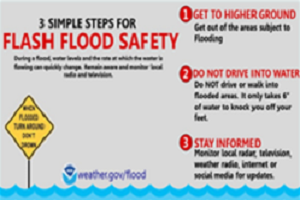
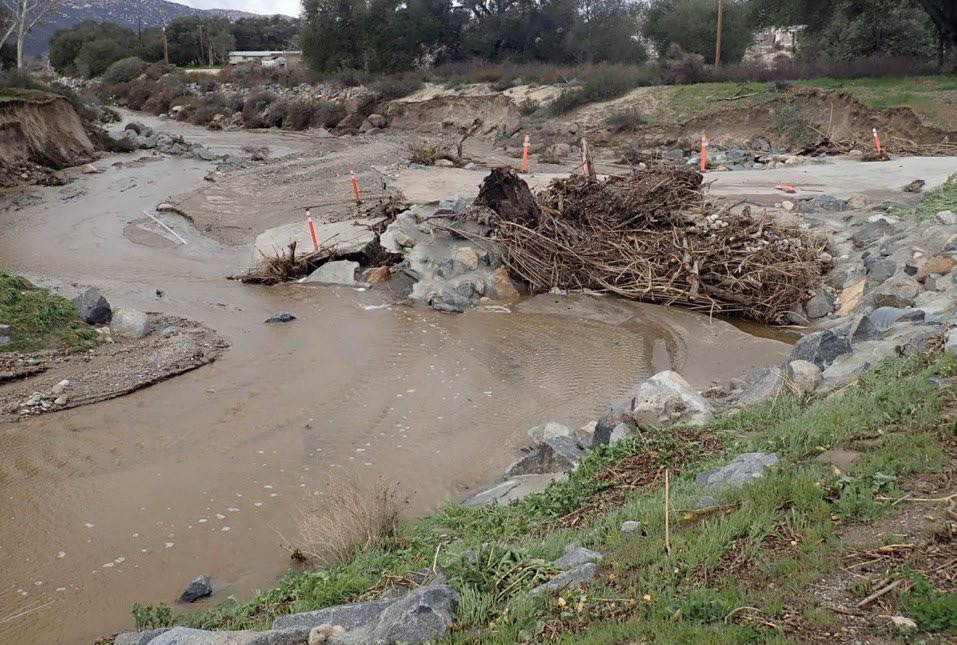
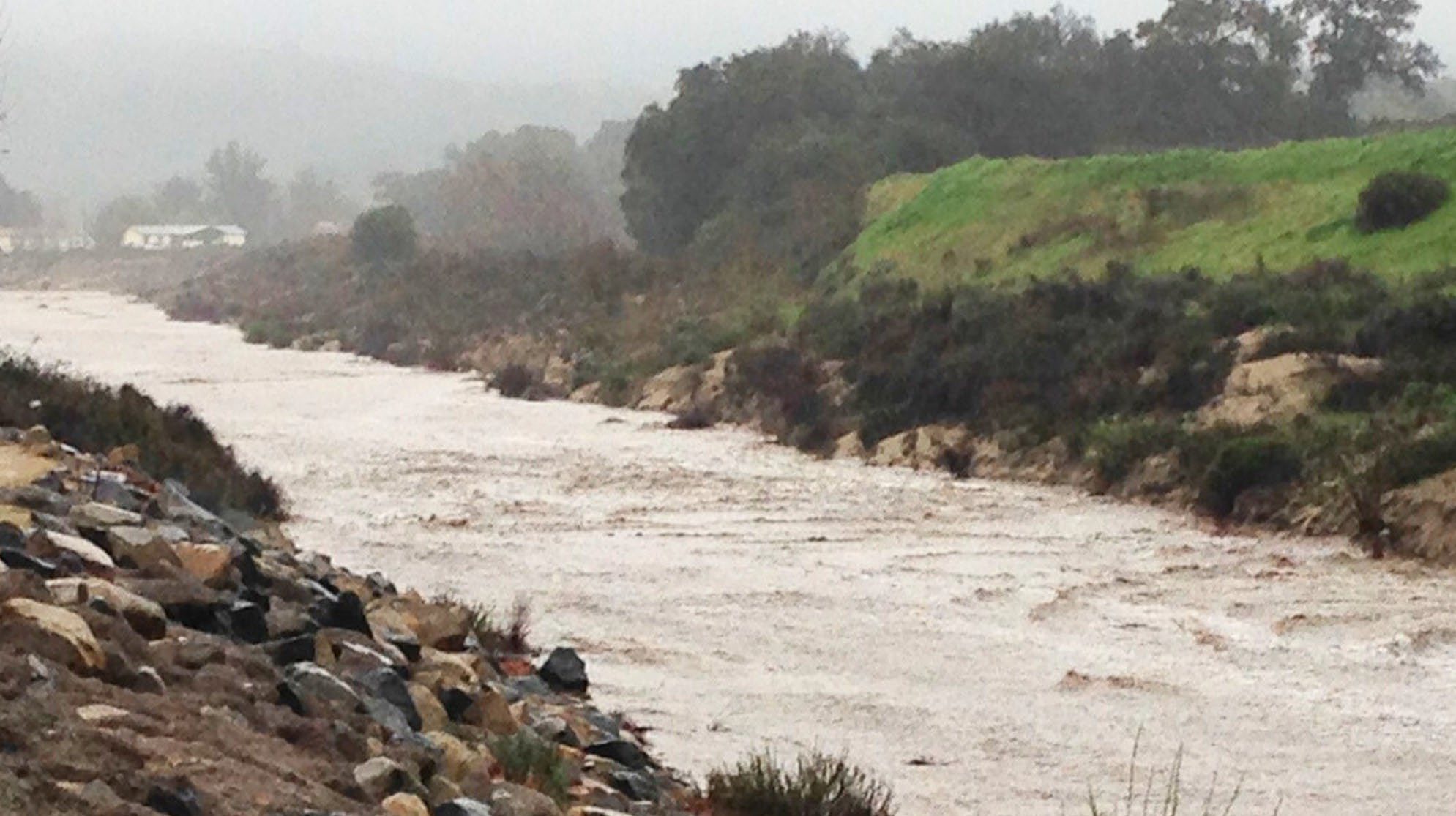
Flooding is a temporary overflow of water onto land that is normally dry. Floods are the most common disasters in the United States. Failing to evacuate flooded areas or entering flood waters can lead to injury or death..
Read More
FIRE
Wildfires are unplanned fires that burn in natural areas like forest, grasslands or prairies. These dangerous fires spread quickly and can devastate not only wildlife and natural areas, but also communities.
Read More
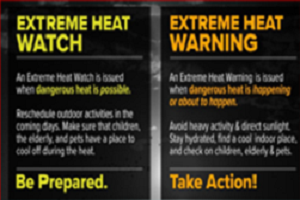
HEAT WAVE
Extreme heat is a period of high heat and humidity with temperatures 90 degrees for at least two to three days. In extreme heat your body works extra hard to maintain a normal temperature, which can lead to death.
Read More
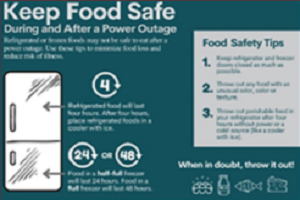
OUTAGE
Extended power outages may impact the whole community and the economy. A power outage is when the electrical power goes out unexpectedly.
Read More
EVACUATION
You may have to evacuate quickly due to a wildfire. Learn your evacuation routes, practice with household, pets and identity where you will go.
Read More
Back to top
EMERGENCY PLAN
Back to top
EMEGRGENCY MANAGEMENT TRAINNING
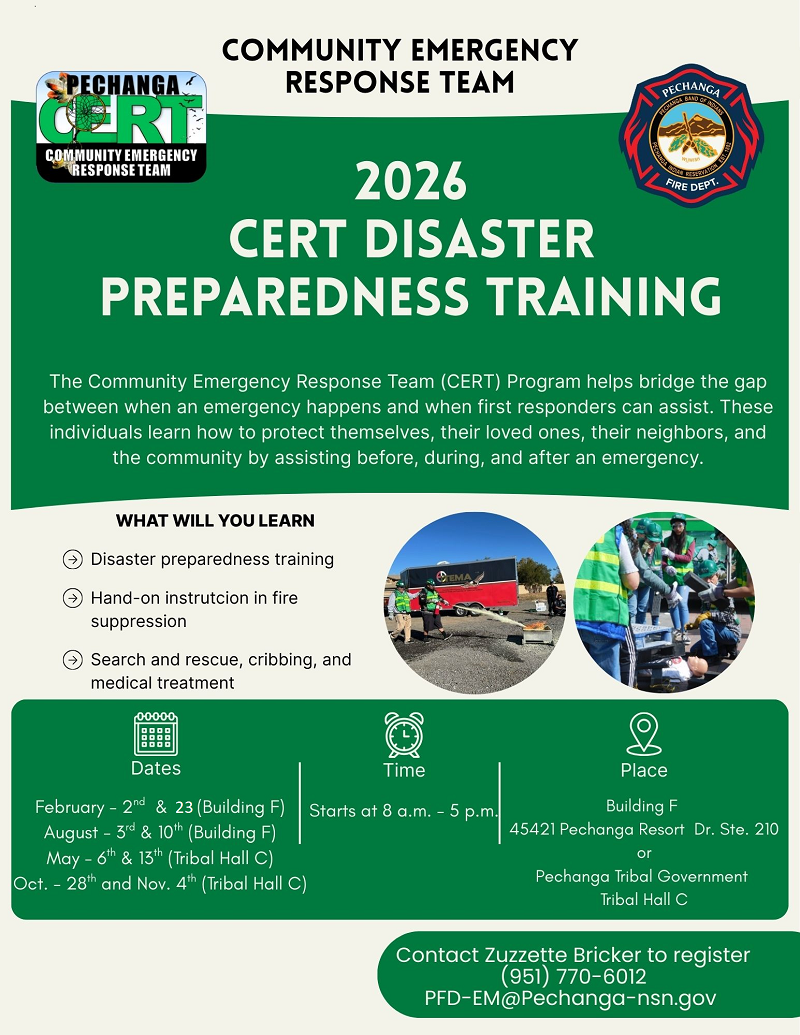
CERT disaster preparedness training, practical exercise includes hands-on instruction in fire suppression, search and rescue, cribbing and medical treatment. Only those who successfully complete all units will receive a certificate of completion. The class is open to all Pechanga employees and tribal members.
The Emergency Management Institute (EMI) offers self-paced courses designed for people who have emergency management responsibilities and the general public. All are offered free-of- charge to those who qualify for enrollment

The CSTI Fire and Rescue Training Unit provides training and exercise support through the highly acclaimed California Specialized Training Institute
Email or Call for more information 951-770-6012
This email address is being protected from spambots. You need JavaScript enabled to view it.
Back to top
EARTHQUAKE PREPAREDNESS
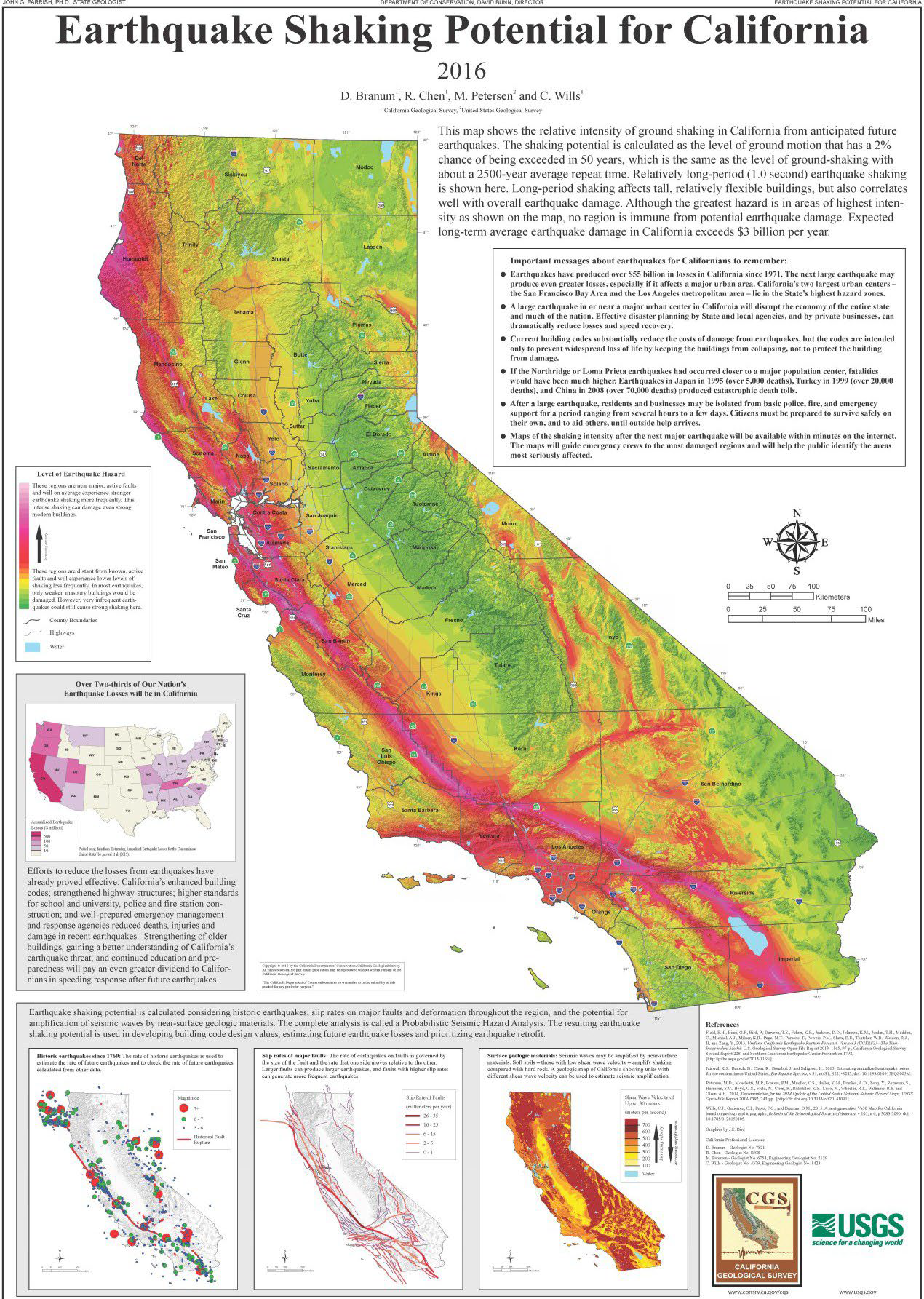
Before the next big earthquake (or other emergency) in your area, do whatever you can to get prepared so you will survive and recover quickly. These four steps each contain a basic set of recommended actions for how to get prepared at home or in the workplace. Many are free or low cost solutions.
Start with Step 1 by securing a potential danger in your home, something that is easy and fast to accomplish. For example, move a heavy object from a high location closer to the floor. This only will take a minute and will prevent the object from falling onto someone or causing damage.
You don’t need to complete all of the actions in each step before beginning the next.
Step 1:Step 1:Secure your space by identifying hazards and securingmoveable items.
Step 2:Plan to be safe by creating your emergency plan anddeciding how you will communicate.
Step 3:Organize emergency supplies in convenient locations.
Step 4:Minimize financial hardship by organizing importantdocuments, strengthening your property, and consideringinsurance coverage.
You can complete one item a day, one a weekend, or one amonth. Just remember that earthquakes strike withoutwarning, so you want to get as many completed BEFORE theshaking starts. Soon you will be prepared to survive and recover!
Back to top
FIRE PREPAREDNESS
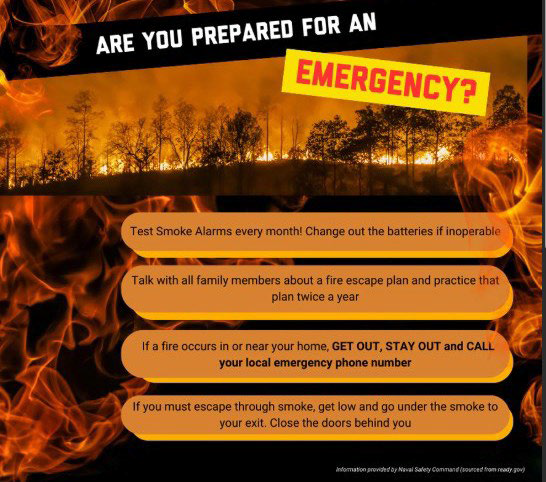
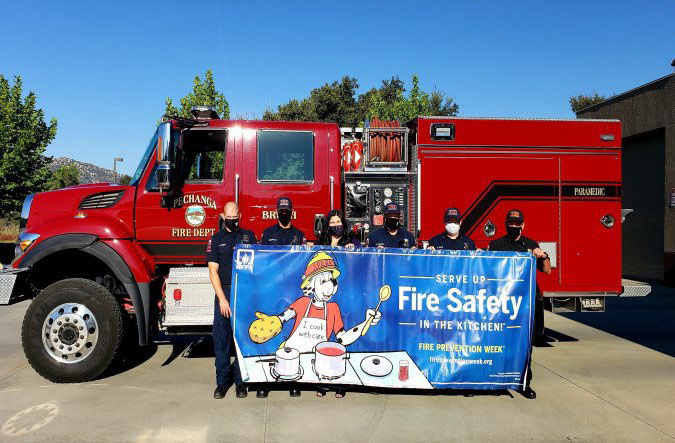
Fire Safety
Back to top
POWER OUTAGE PREPAREDNESS

Power Outage
Back to top
FLOOD PREPAREDNESS
Flood Safety
Back to top
HEAT WAVE PREPAREDNESS
EXTREMELY HEAT
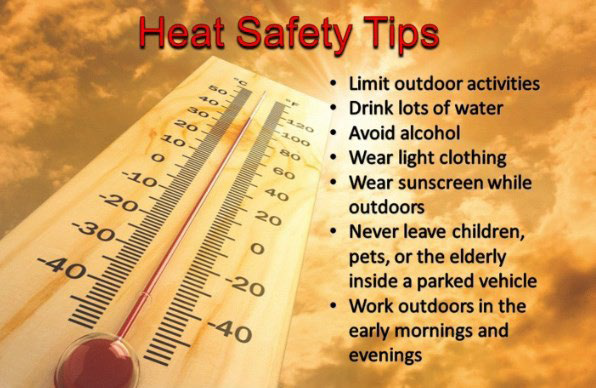
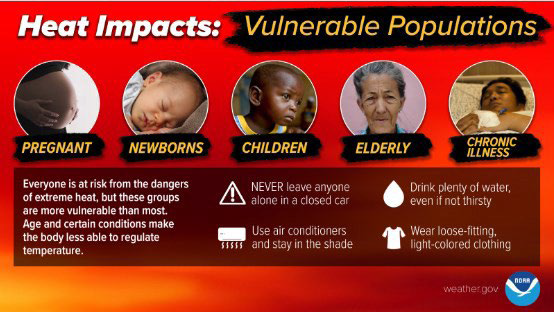
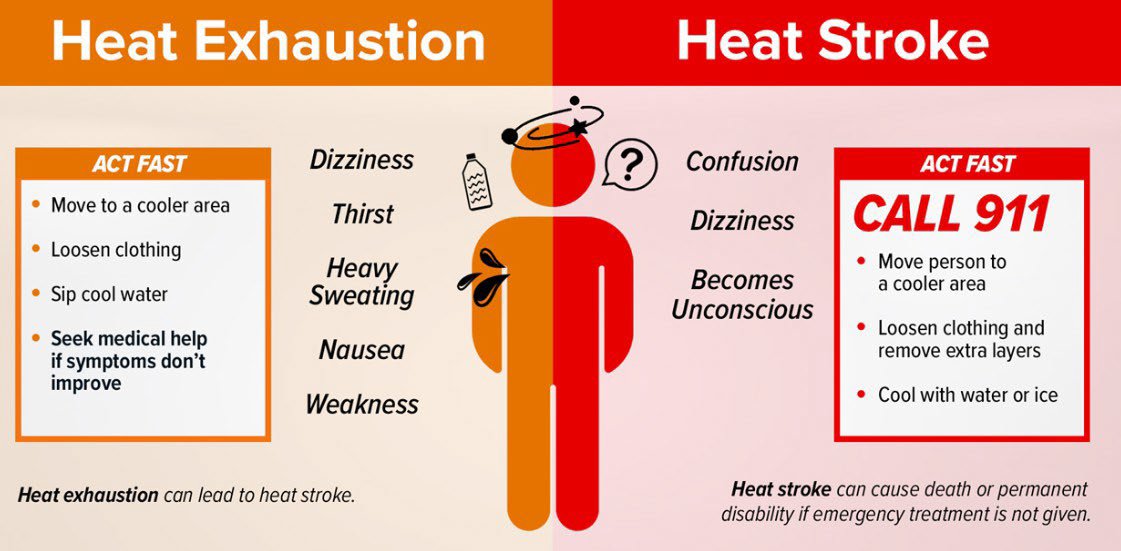
Understand Your Risk and Hazard. Summer heat can be especially dangerous for older adults, those who work outside, people with certain health conditions, and those without access to air conditioning. It’s important to recognize the signs of heat exhaustion, heat cramps, heat stroke and ways to respond. While all heat-related illnesses can require medical attention, heat stroke is always a medical emergency. If you experience or notice someone else experiencing the symptoms of heat stroke, call 9-1-1 and get the person to a cooler place right away.
Back to top
EVACUATION PREPAREDNESS

Evacuation Terminology
- Evacuation Order
Immediate threat to life. This is a lawful order to leave now. The area is lawfully closed to public access.
- Evacuation Warning
Potential threat to life and/or property. Those who require additional time to evacuate, and those with pets and livestock should leave now.
- Shelter in Place
Go indoors. Shut and lock doors and windows. Prepare to self-sustain until further notice and/or contacted by emergency personnel for additional direction.
EVACUATION PREP TIPS
Back to top
CONTACT
Zuzzette Bricker, CEM
This email address is being protected from spambots. You need JavaScript enabled to view it.
951-770-6012
Quick Links
- https://www.ready.gov/be-informed
- Emergency Supplies
- Preparing Makes Sense
- Pet Owners
- People with Disabilities
- Commuter Emergency Plan
- https://csti-ca.csod.com
- https://readyforwildfire.org/prepare-for-wildfire/
- https://www.sce.com/outage-center